I appreciate the teams commitment to creating a comfortable, non-gym bro vibe in the gym.
Simon Terry

Exercise Physiology in Marrickville for professionals, parents, older adults and everyday athletes.
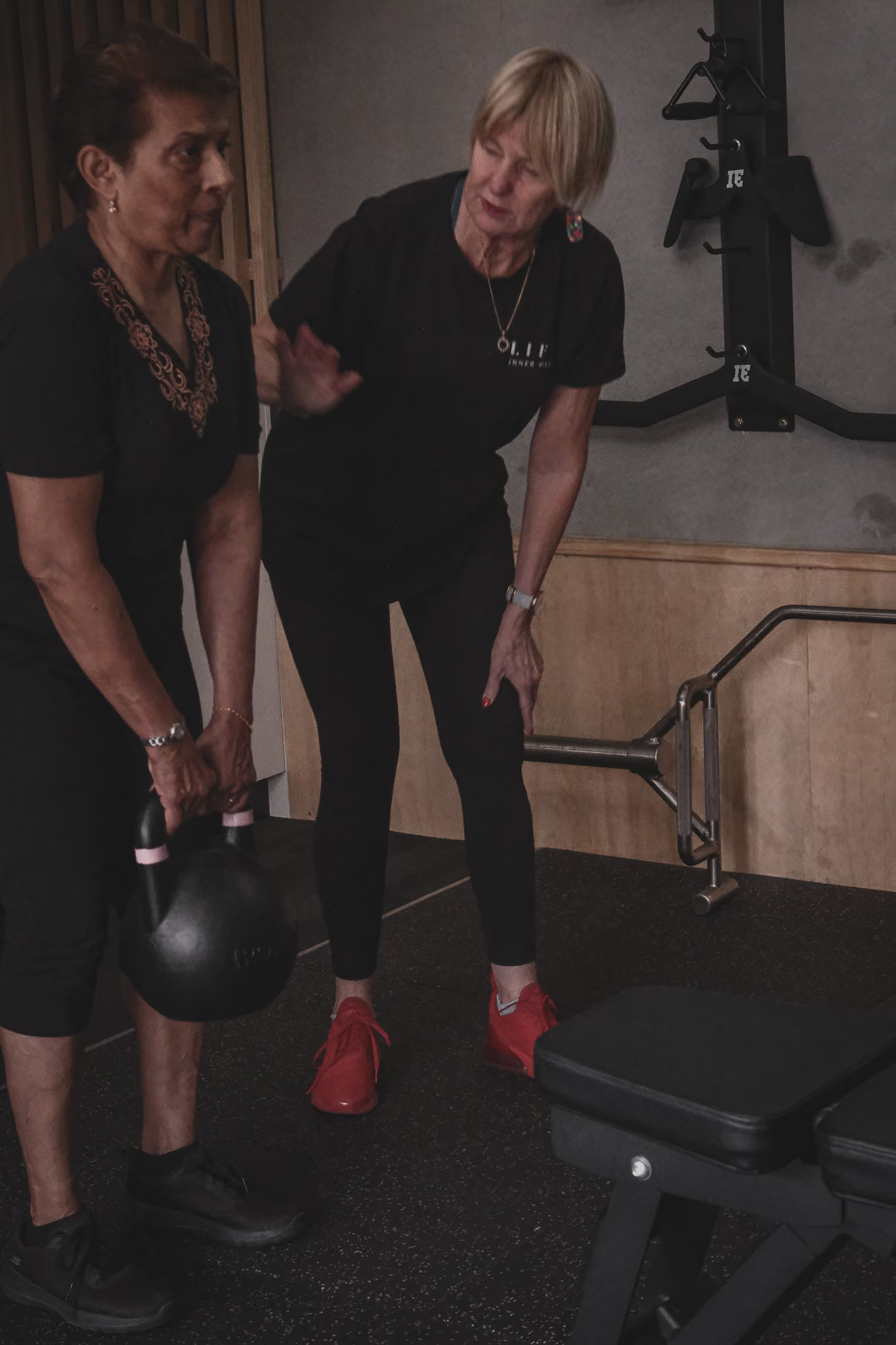
A heart condition can make exercise feel risky, but the right kind of movement is one of the best things you can do for it. Whether you're managing high blood pressure or cholesterol, living with heart disease, or returning to activity after a cardiac event, we build your fitness gradually with a program designed around your condition, your medications and your history.
Every session is planned so you know what's safe, what's helping and what progress looks like. No guesswork, and no pushing into the red.
You'll work with an Accredited Exercise Physiologist who keeps intensity in the right zone for your heart and watches how you respond, session to session. We stay in step with your GP or cardiologist, so your training and your medical care pull in the same direction.
Over time, expect more energy, easier stairs and longer walks, and the confidence to move without second-guessing your heart.
Type 2 diabetes, pre-diabetes, PMOS and weight concerns all respond remarkably well to the right exercise. Muscle is your metabolic engine: building it helps your body regulate blood sugar, hormones and energy every single day, not just on training days.
We design strength and conditioning programs that work with your body and your lifestyle — not punishing routines you can't sustain past week three.
You'll train with an EP who understands the numbers that matter, from blood sugar to blood pressure, and how exercise shifts them. Where it helps, we coordinate with your GP or diabetes educator so everyone's working from the same plan.
Expect steady, realistic progress: better blood sugar control, more energy through the day, and strength gains you can feel in everyday life.
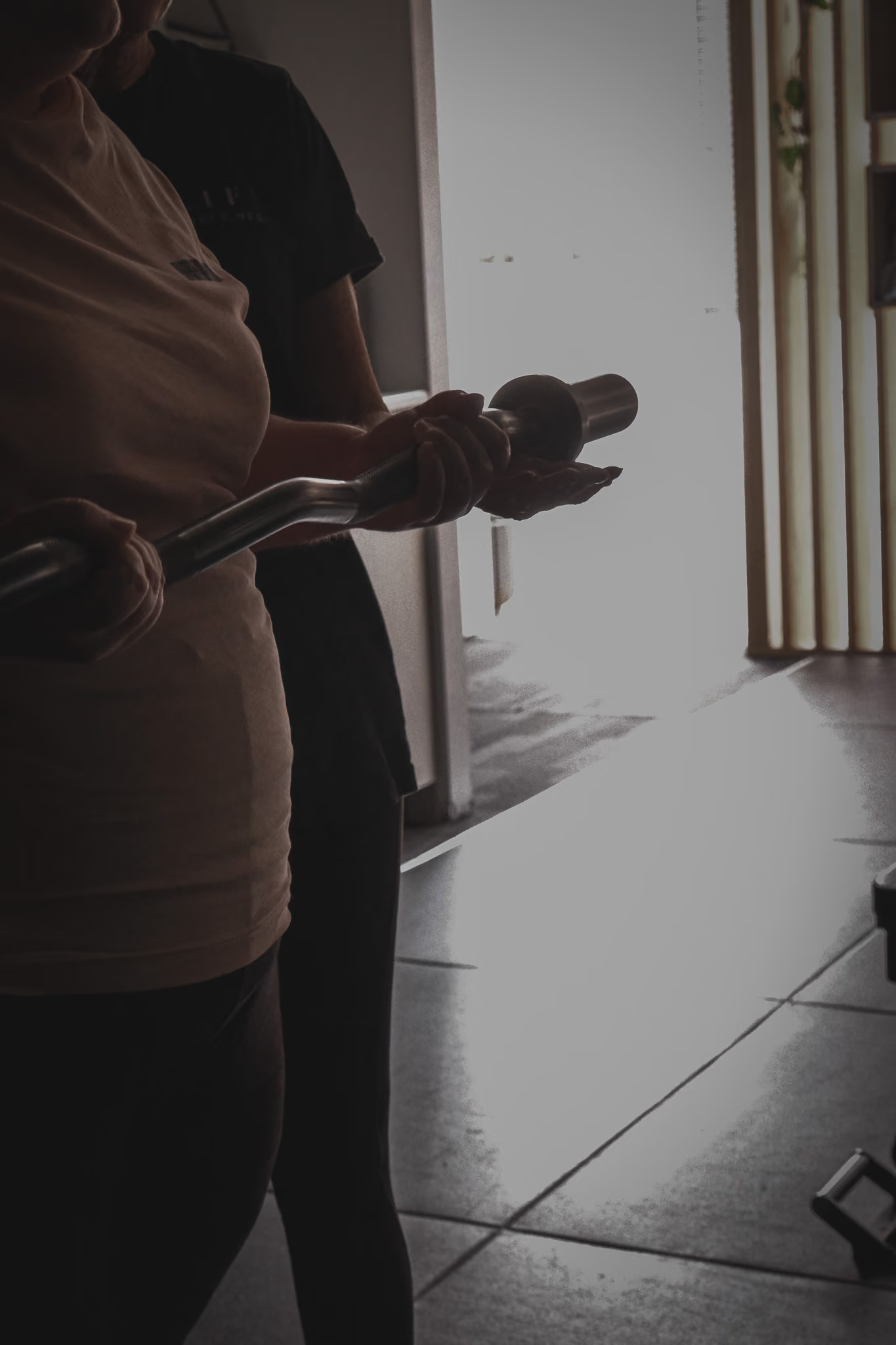
The evidence is strong: regular exercise helps reduce symptoms of depression, anxiety and stress, improves sleep and rebuilds a sense of control. But when you're struggling, starting is the hardest part and doing it alone rarely sticks.
Our sessions give you structure, accountability and a space where you don't have to explain yourself. Some days you'll push. Other days, showing up is the win, and that counts too.
You'll work with an EP who understands the link between mental and physical health, in a private studio designed to feel calm rather than intimidating. Your program is built around your energy, sleep and any medications, and we can work alongside your psychologist or GP as part of a mental health care plan.
Expect a steady routine that becomes an anchor in your week and the compounding lift in mood, sleep and confidence that comes with it.

Bones respond to challenge. Research shows that progressive strength and impact training can safely build bone density, even with osteoporosis — but only when it's done properly. That's where an Exercise Physiologist matters: the right exercises, the right load, progressed at the right pace.
Balance work sits alongside the strength work, building stability through your hips, legs and core so you feel planted, not precarious.
Across each block of sessions, you’ll follow a clear, simple plan that fits around work, family and the things you already do. Expect targeted strength, balance and impact training (when appropriate) so everyday activities like walking, using the stairs, housework or time in the garden feel easier and more stable.
Your Exercise Physiologist will adjust things week to week based on how you’re feeling and what’s happening in your life, so you can stay steady on your feet and keep doing the walks, trips and hobbies that matter most to you
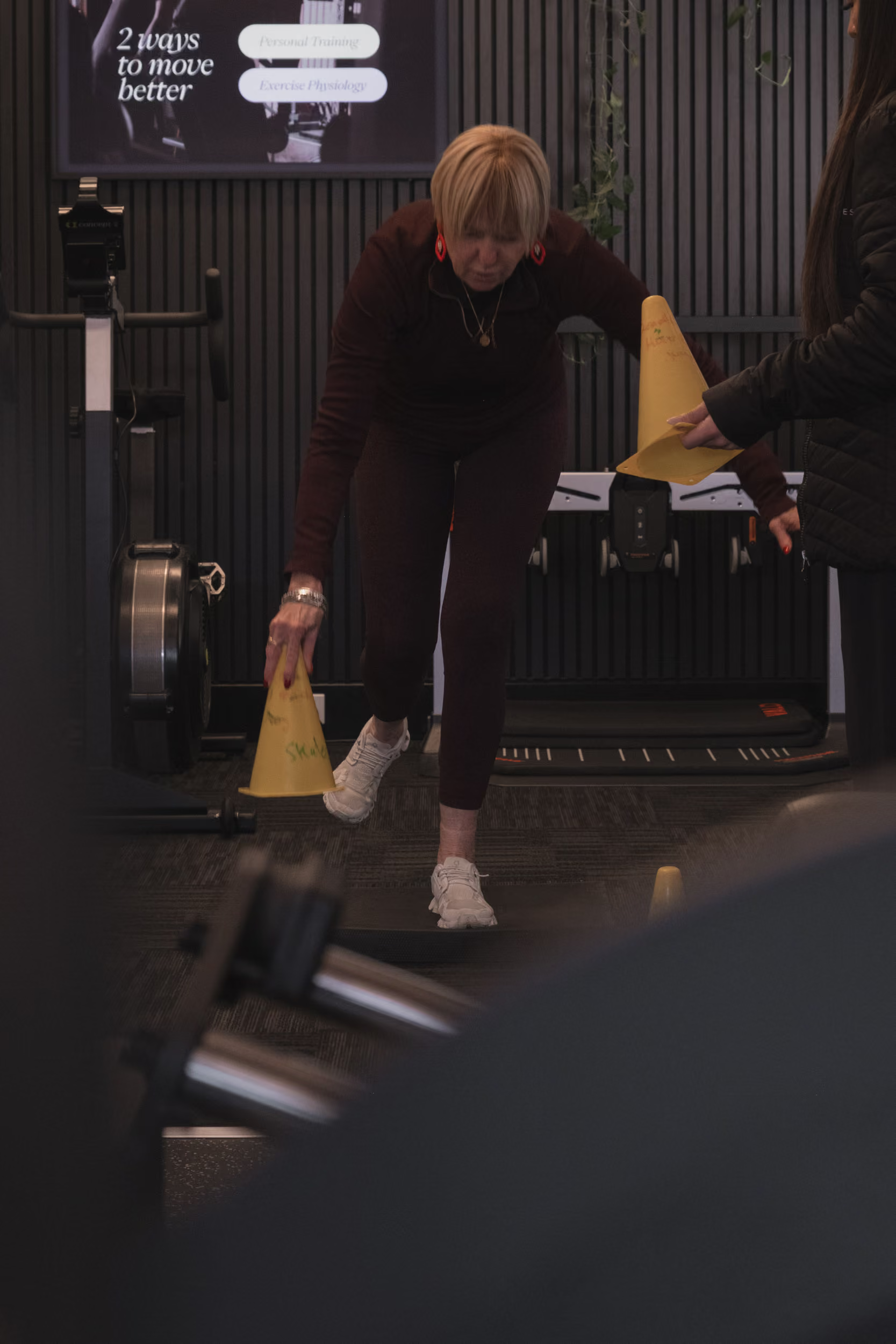
After a fall, injury or surgery, there's often a gap: you've finished acute care, but you're not back to feeling like yourself. It's easy to move less because you're hesitant — and moving less makes you weaker, which makes the next setback more likely. We close that gap.
Rehabilitation is a process, not a single step. We provide the ongoing care beyond initial recovery, rebuilding the strength and capacity that protects you going forward.
We start exactly where you are, working in with your physio's or surgeon's guidance, and progress your program week by week as your body adapts. Nothing is rushed, and nothing is left to chance.
Expect a graded return to the things that matter (lifting, carrying, walking, gardening, playing with grandkids) with the confidence that your body can handle it.

When pain has stuck around for months or years, rest rarely fixes it — and often makes things worse. Graded, structured exercise is one of the most strongly evidenced treatments for persistent back pain, osteoarthritis and fibromyalgia.
We start well within what your body can handle and build slowly, so your system relearns that movement is safe. No pushing through pain, ever.
You'll work with an EP who takes your pain seriously and plans around it — pacing strategies, flare-up plans, and honest conversations about what's working. Where it helps, we coordinate with your GP or pain specialist.
Expect gradual wins that add up: sitting, standing and walking with more ease, better sleep, and more of the life that pain has been crowding out.
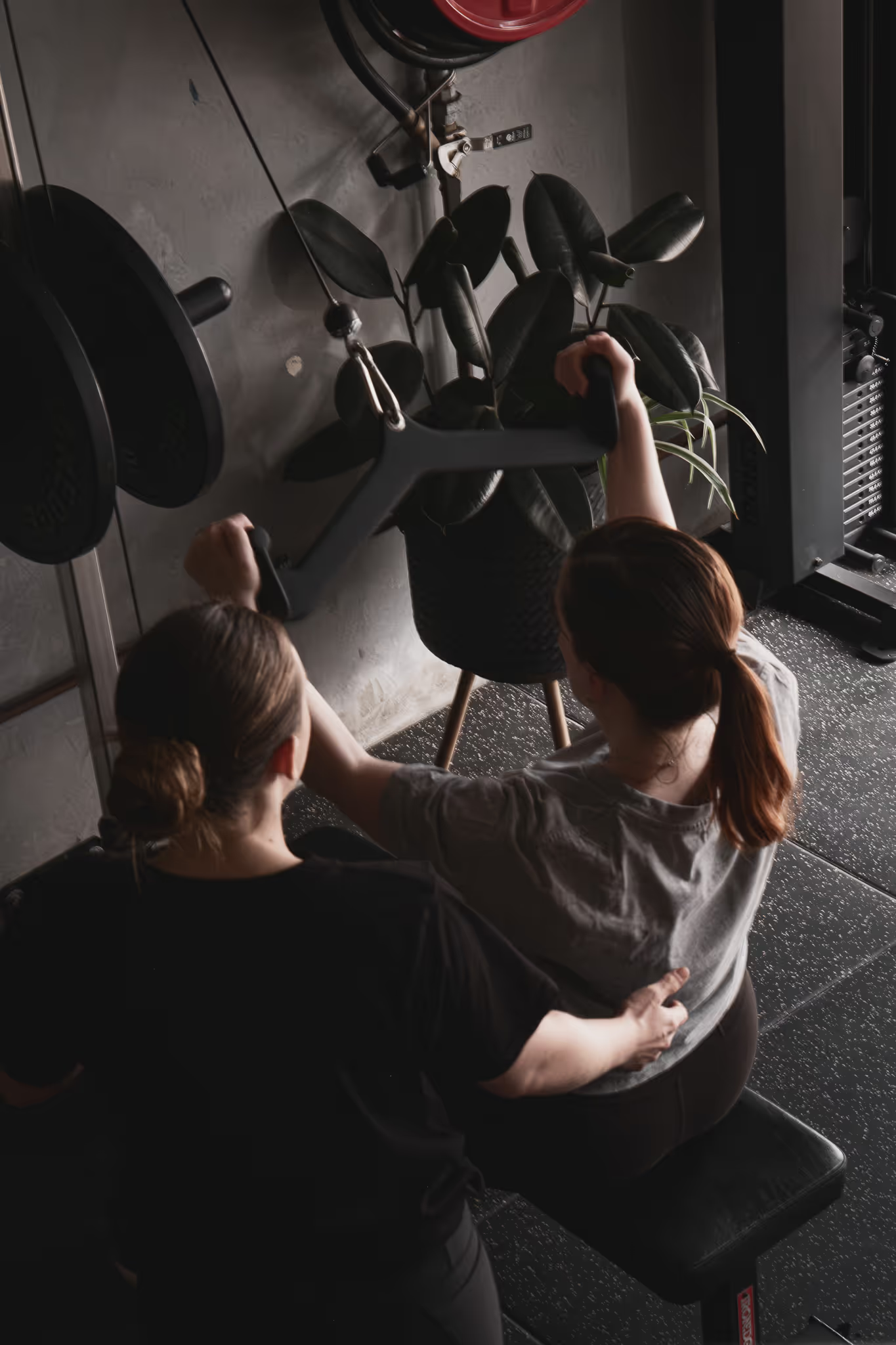
Each class is built around a specific goal and a specific group of people. You'll need a quick chat with our EP team first to confirm the class is the right fit, then an initial assessment so your program is ready before your first session.
EP group session
Safe, targeted bones and balance training in a supportive small group. One hour, up to six people, each on a personalised EP program. Claimable under some health insurers. $85 per session.
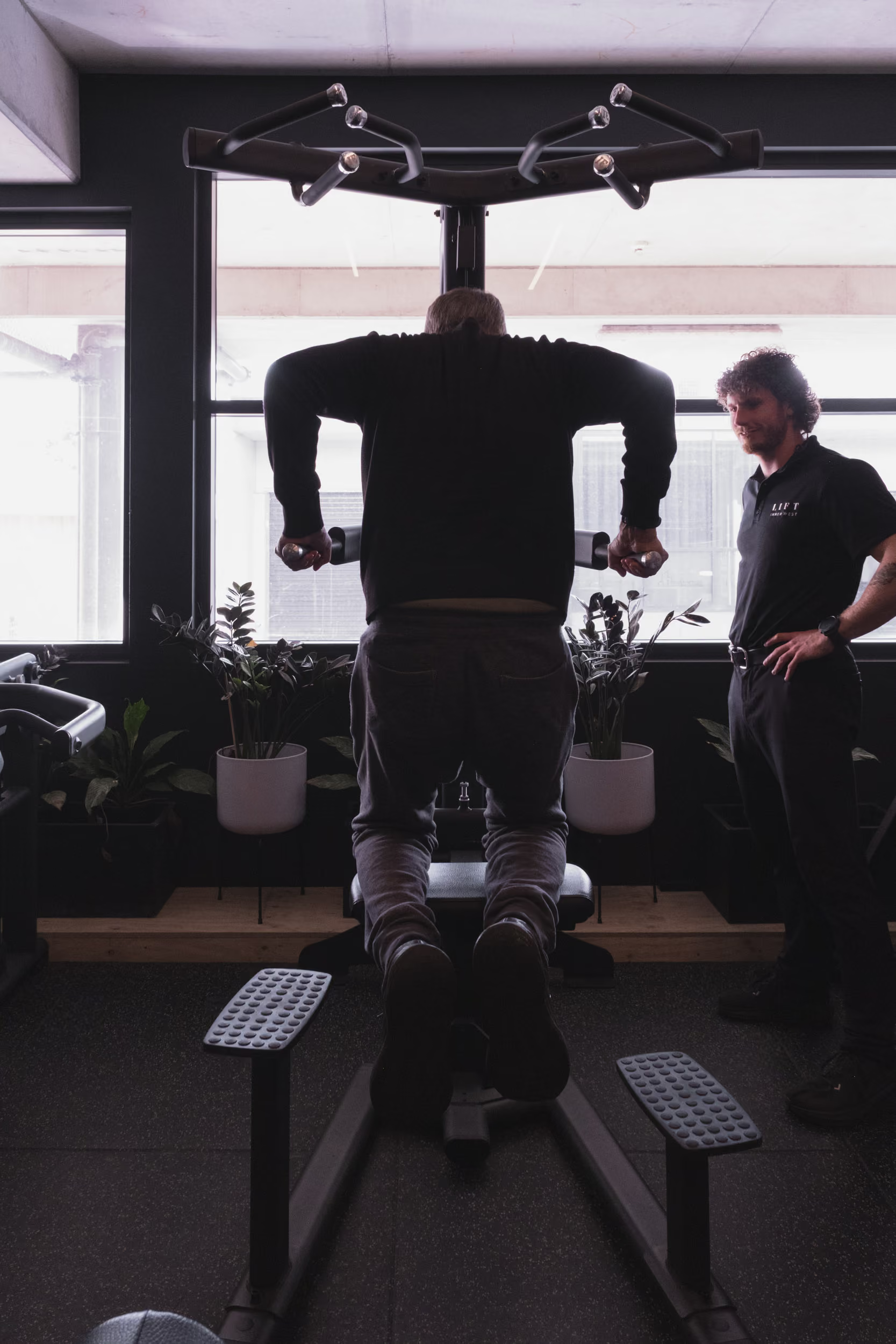
EP group session
We create classes based on the needs of our client population. Future classes may include heart health, mental health, diabetes amongst other conditions.
Talk to the team about whether we have a class for your needs.
Bring your referral and we'll take it from there — Medicare and DVA rebates may apply for eligible care plans, and we report progress back to your doctor.
Personalised exercise physiology for NDIS participants — building function, independence and confidence at your pace.
Book a free consult and we'll map out the right pathway for your condition and goals — exercise physiology, personal training or a mix of both.
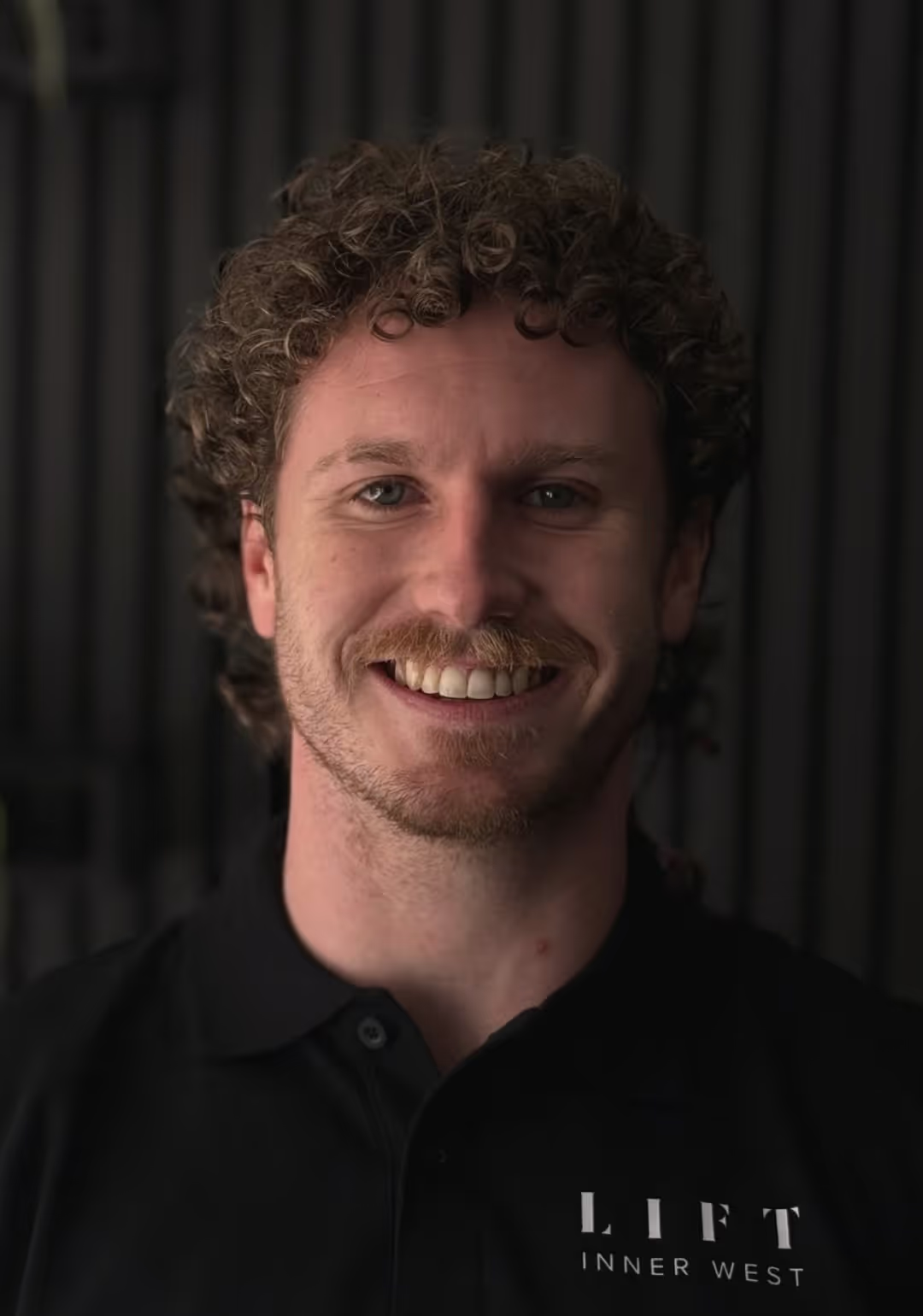
Exercise Physiologist
BExSc(Hons), MClinExPhys, AEP, AES

Exercise Physiologist
B.HlthSc(SpExSc), M.ClinExPhys, AEP, AES
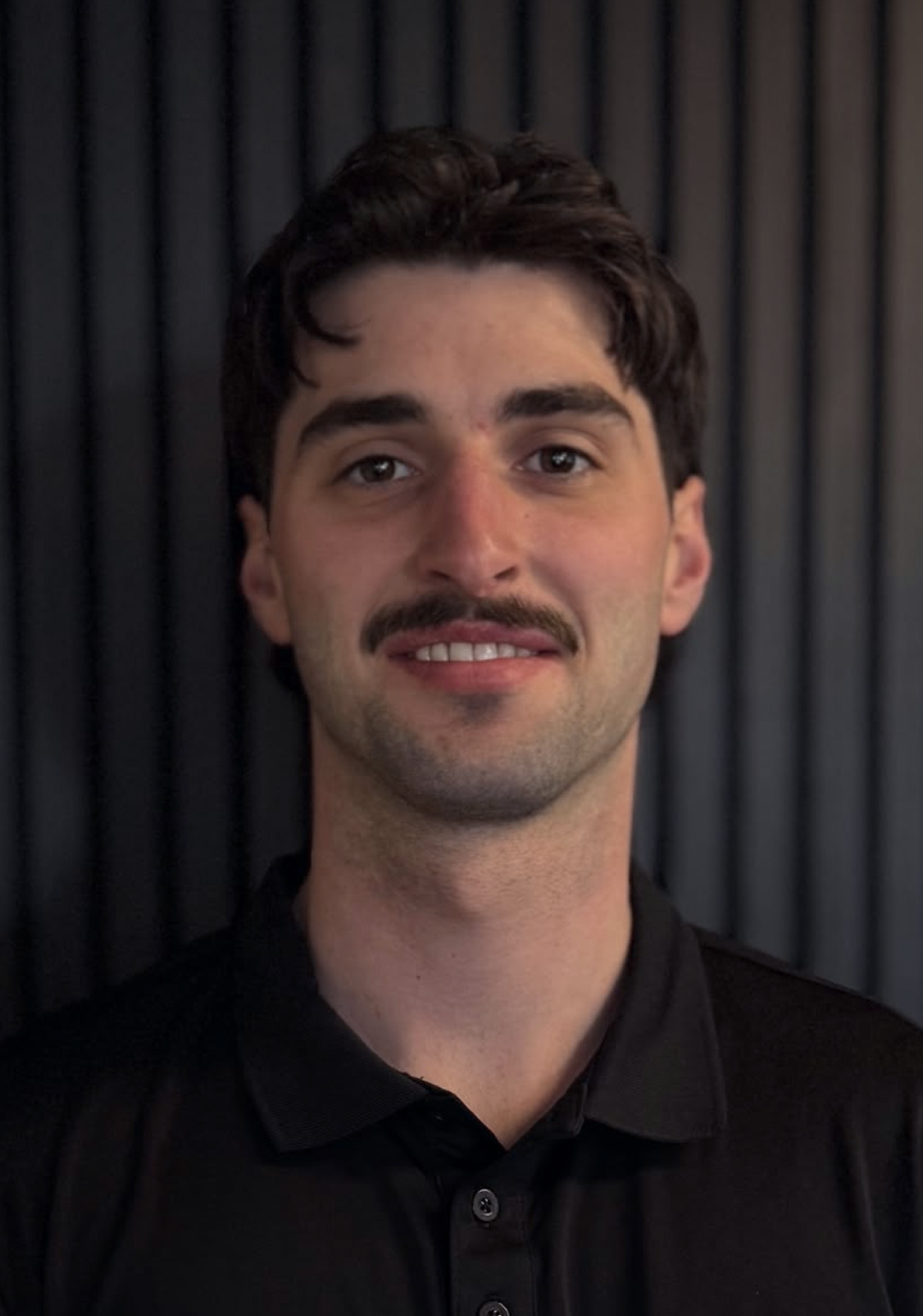
Exercise Physiologist
BExSc, MClinExPhys, AEP, AES
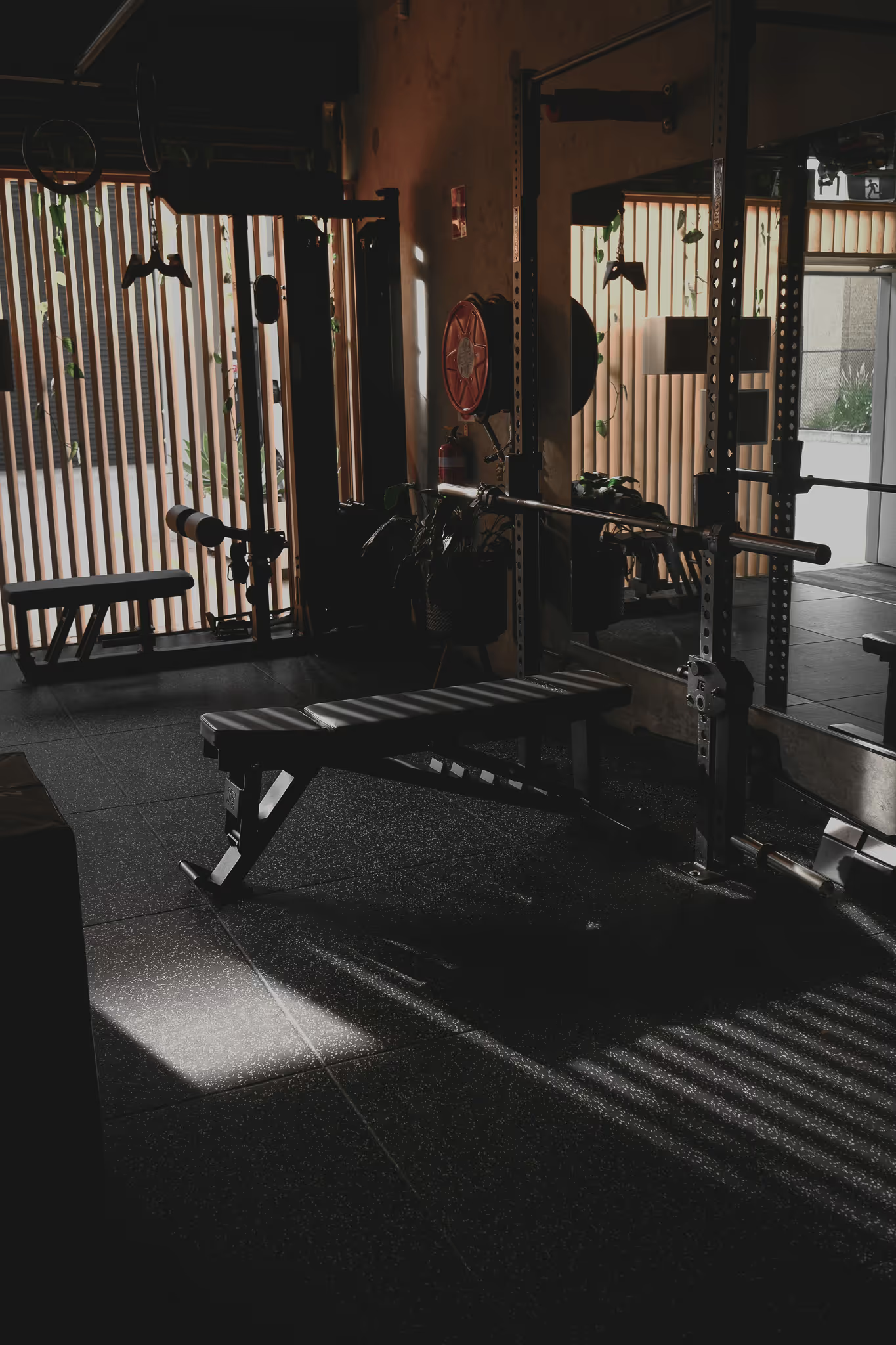
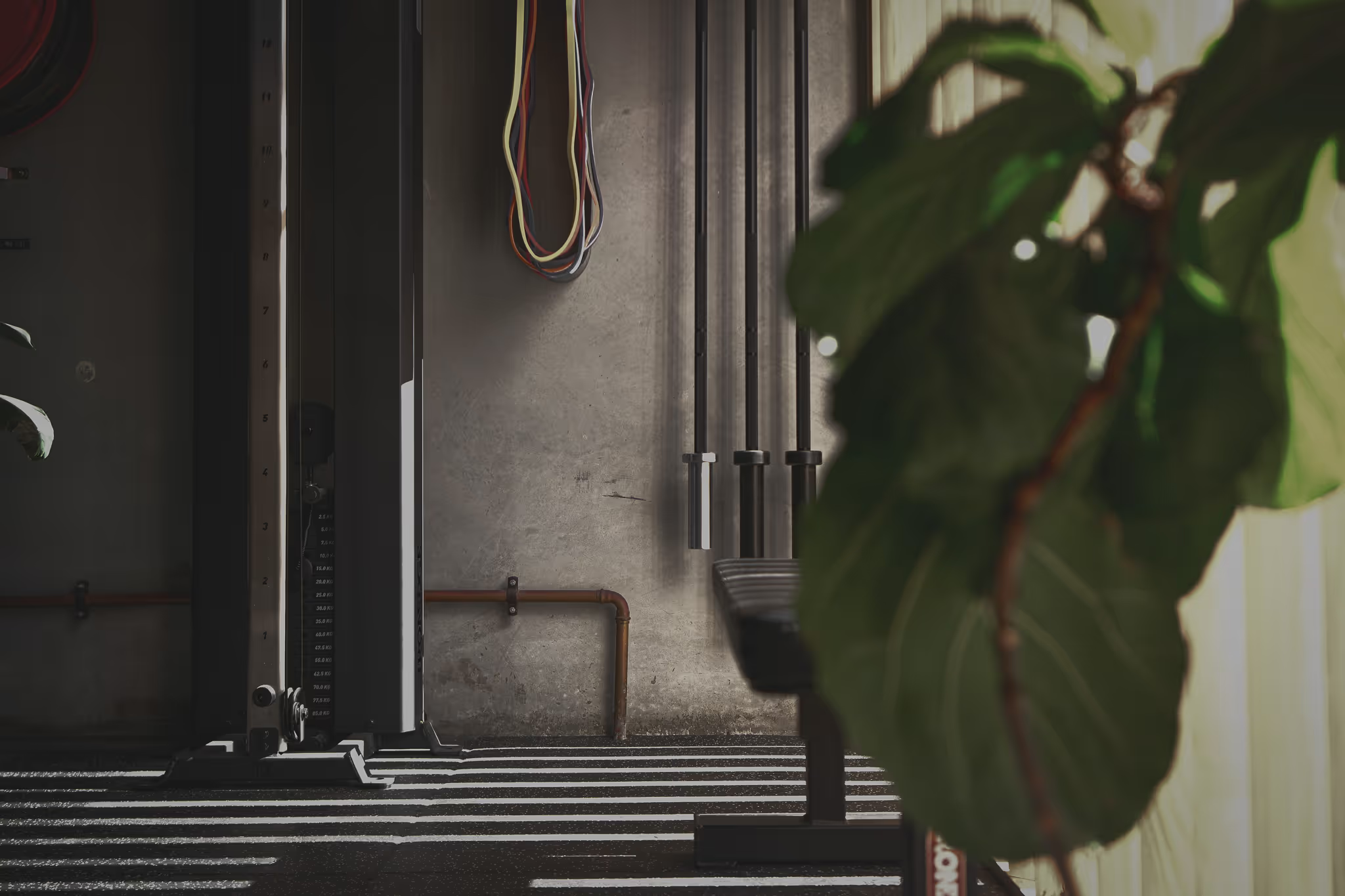
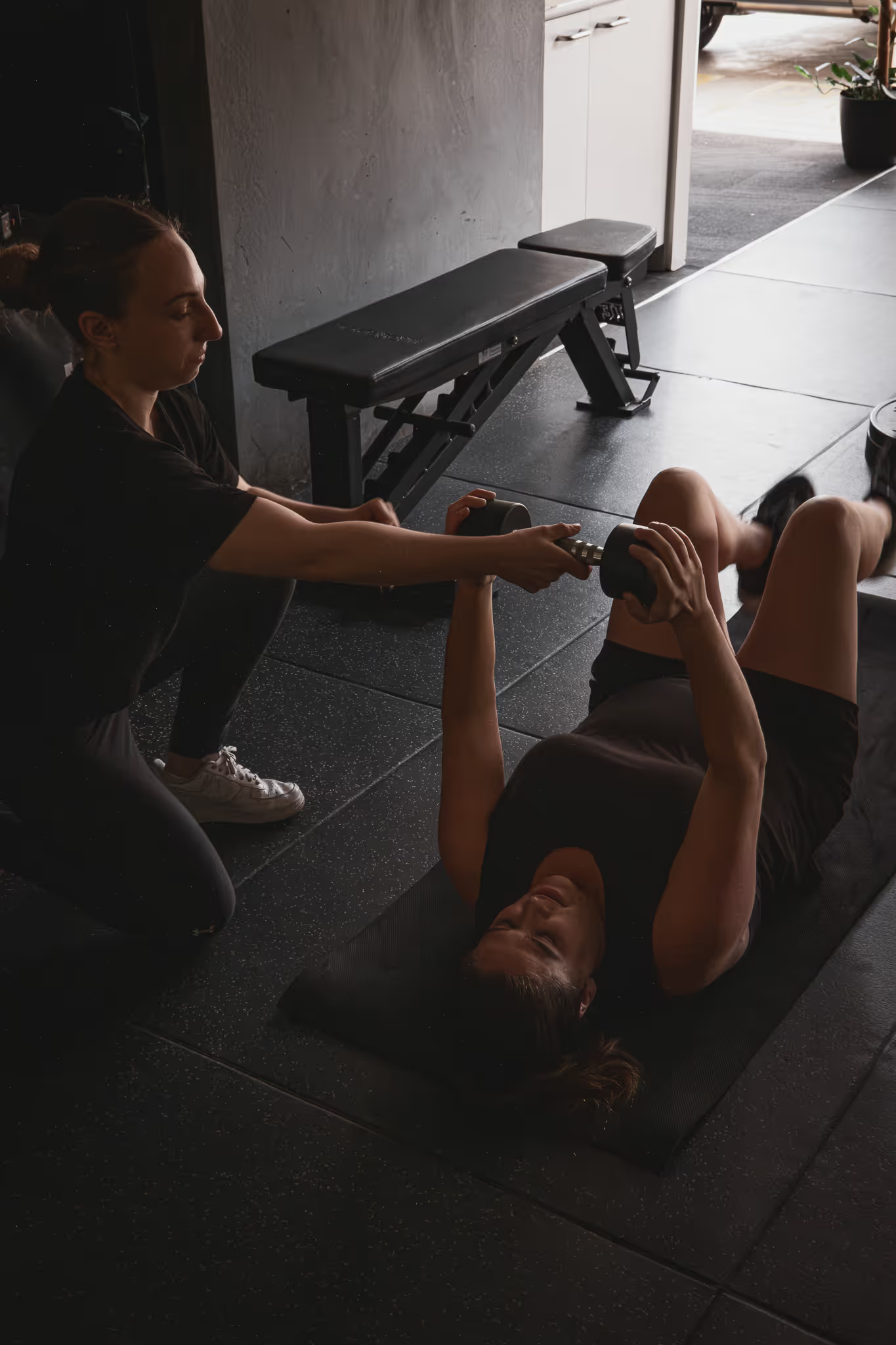
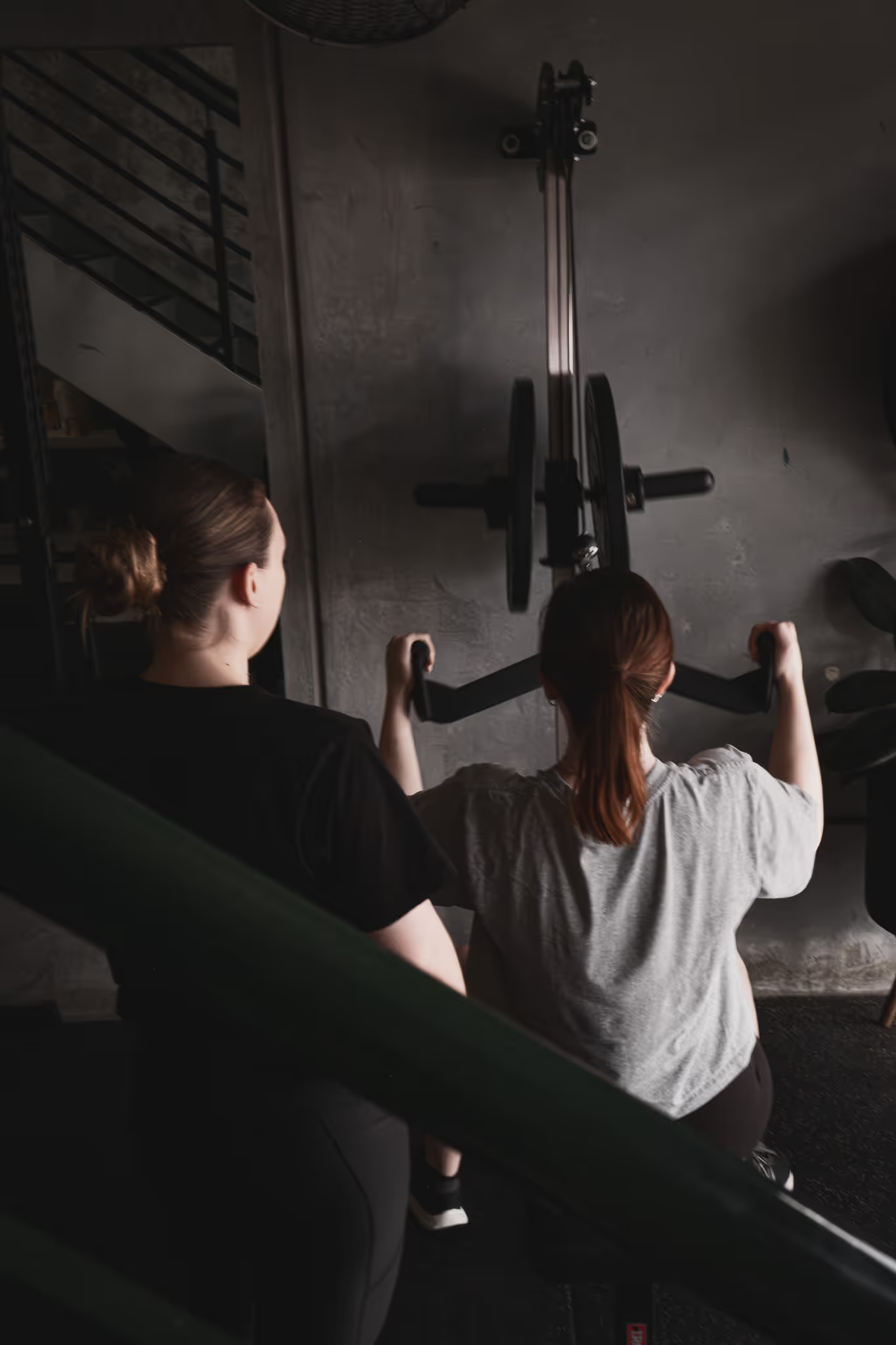
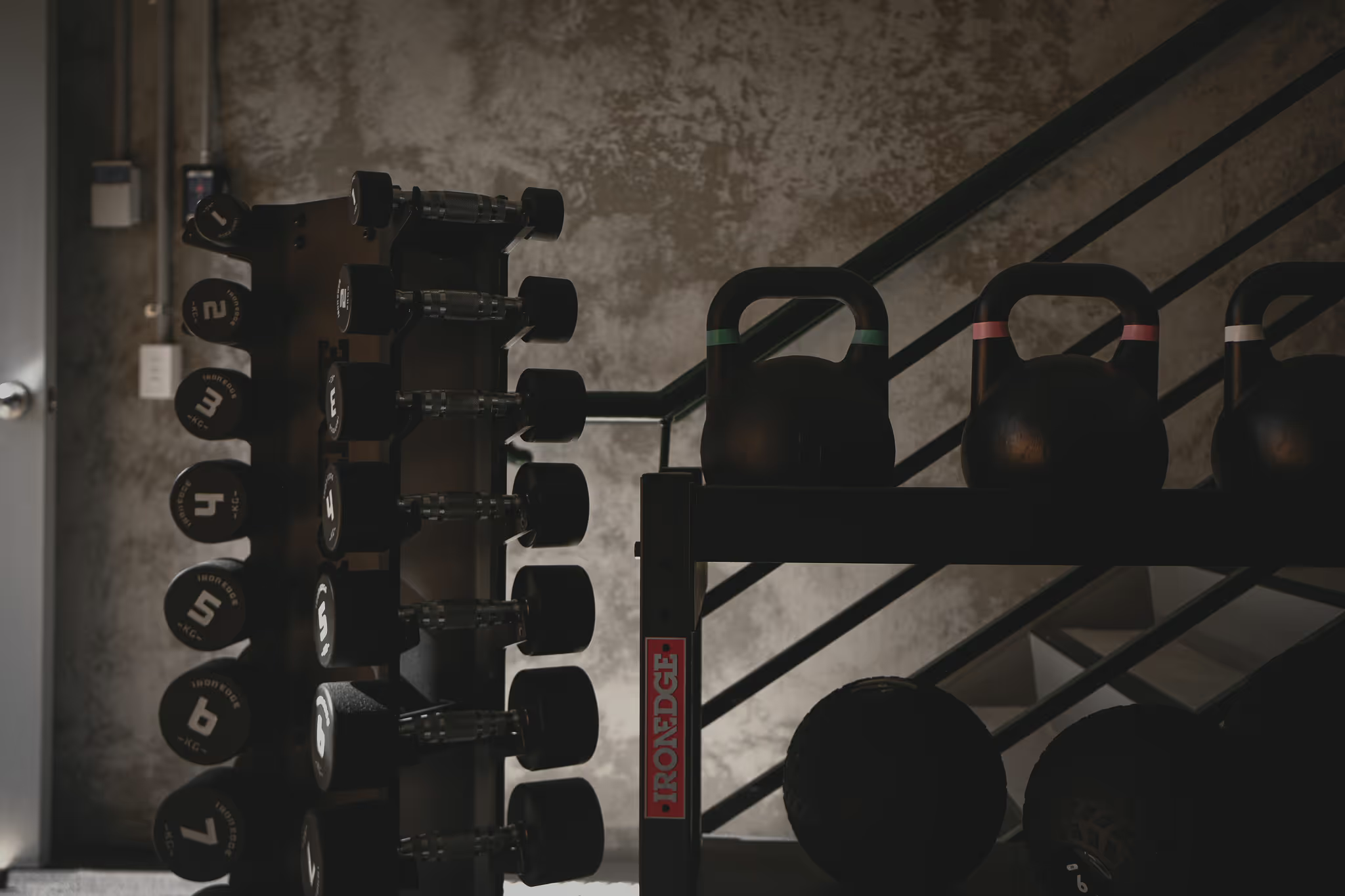
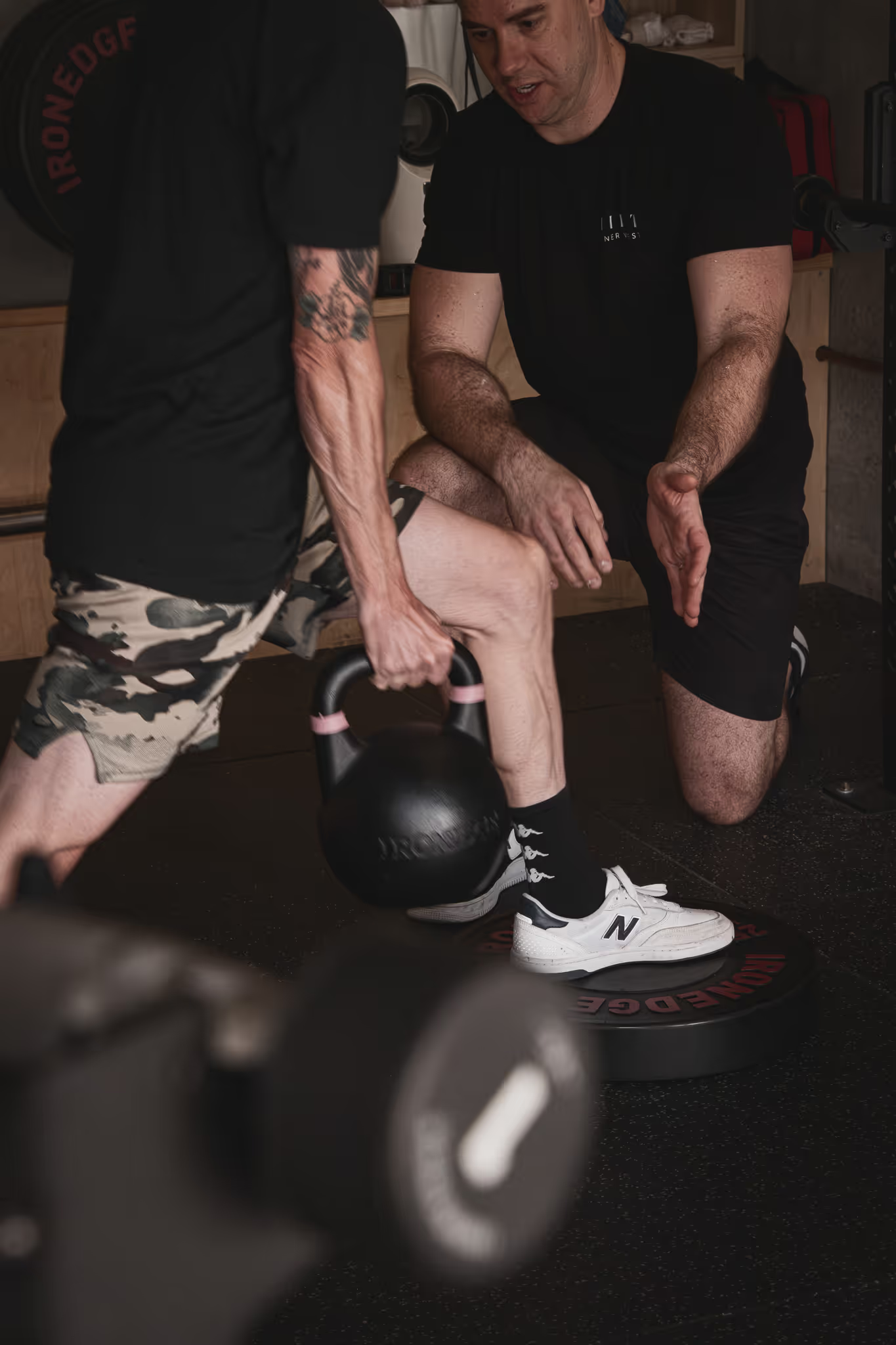
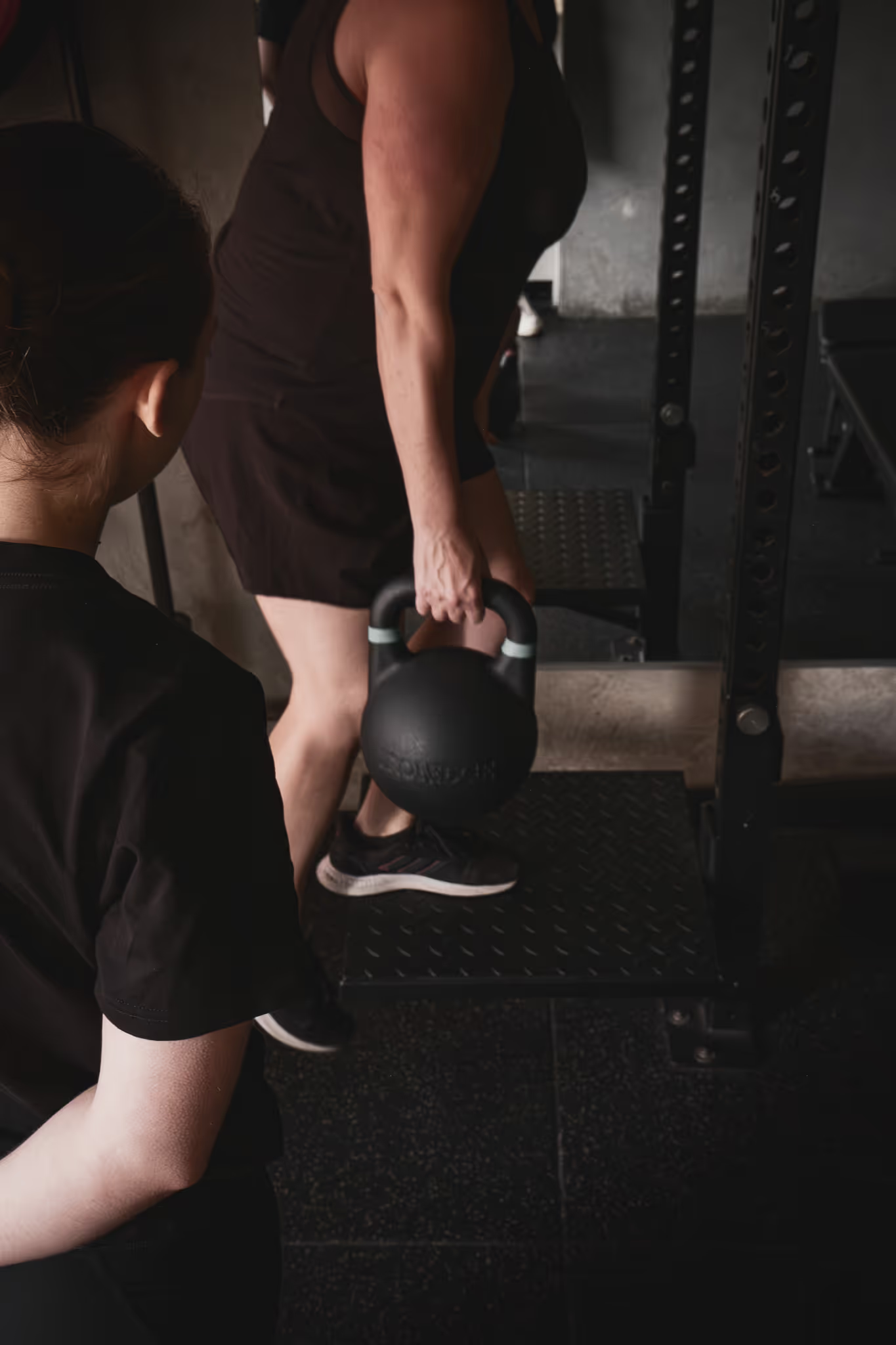
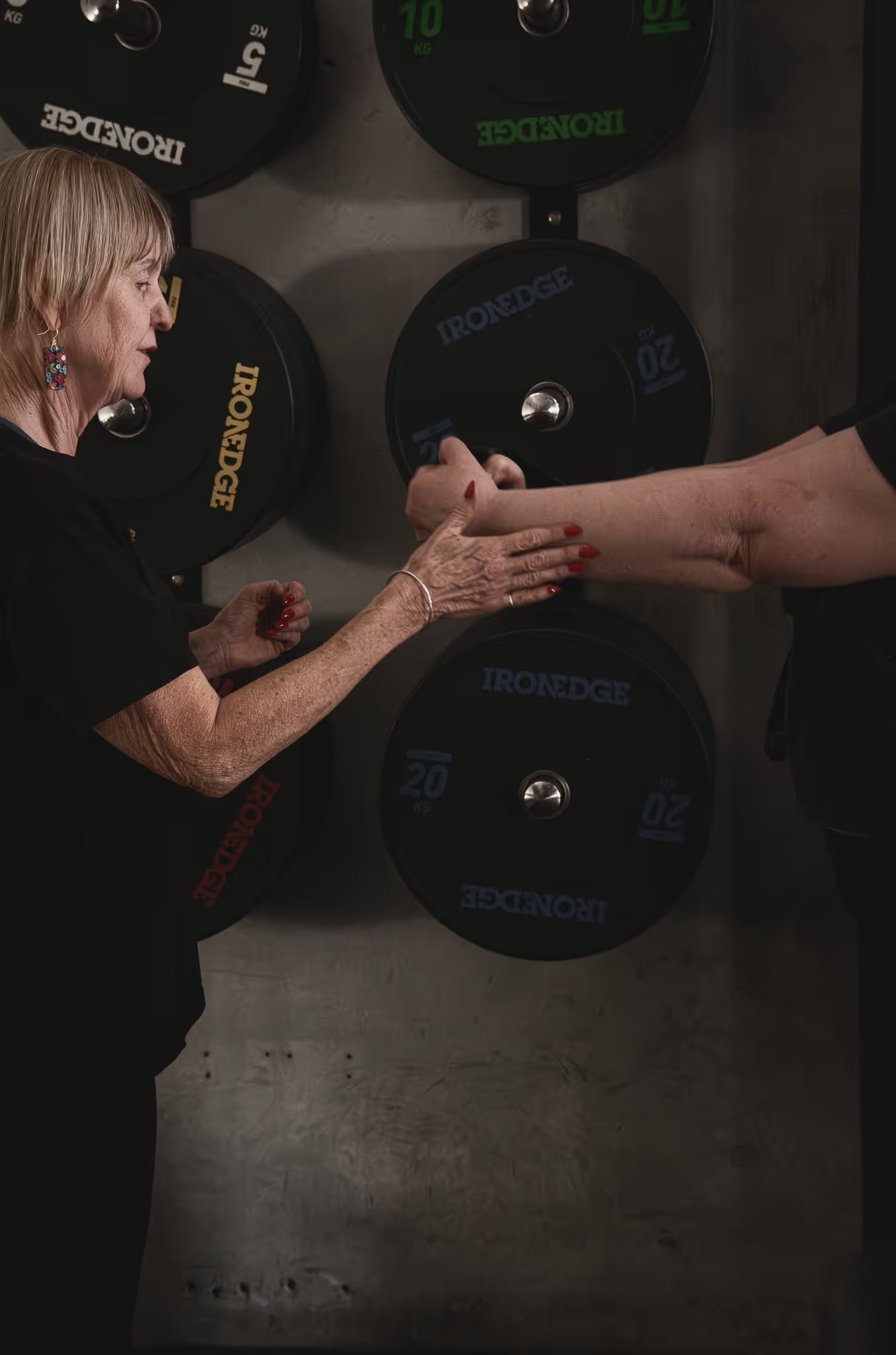
No queues for equipment. No distractions. Just you, your EP, and the tools you need to get back to your best. Our Marrickville studio is purpose-built for focused, one-on-one exercise sessions.
GET STARTED
A free phone call is the easiest first step.
We'll talk through where you're at, what you're working towards, and whether a personal trainer or an exercise physiologist is the right fit.
No pressure, no commitment.
— Free initial phone call
— No lock-in contracts
— Medicare, DVA & NDIS eligible
Still have questions?
Questions about
Personal Training?
Questions about
Exercise Physiology?
Filter by topic or search for a keyword. Can't find your answer? Get in touch below.